Project Categories: Automotive & Transport

  • DDLM Pilot Car Service

    DDLM Pilot Car Service

    Website analysis and design rationale

    A specialist transport-support website explains escort services and directs operators toward a pilot request.

    Audience and purpose

    A transport coordinator has a task-specific enquiry rather than a general interest in the brand. Naming escort roles early helps that visitor recognize relevance. The request action should then lead to an information exchange appropriate to the load and route, with enough structure to avoid an unnecessarily vague first message.

    Observed presentation

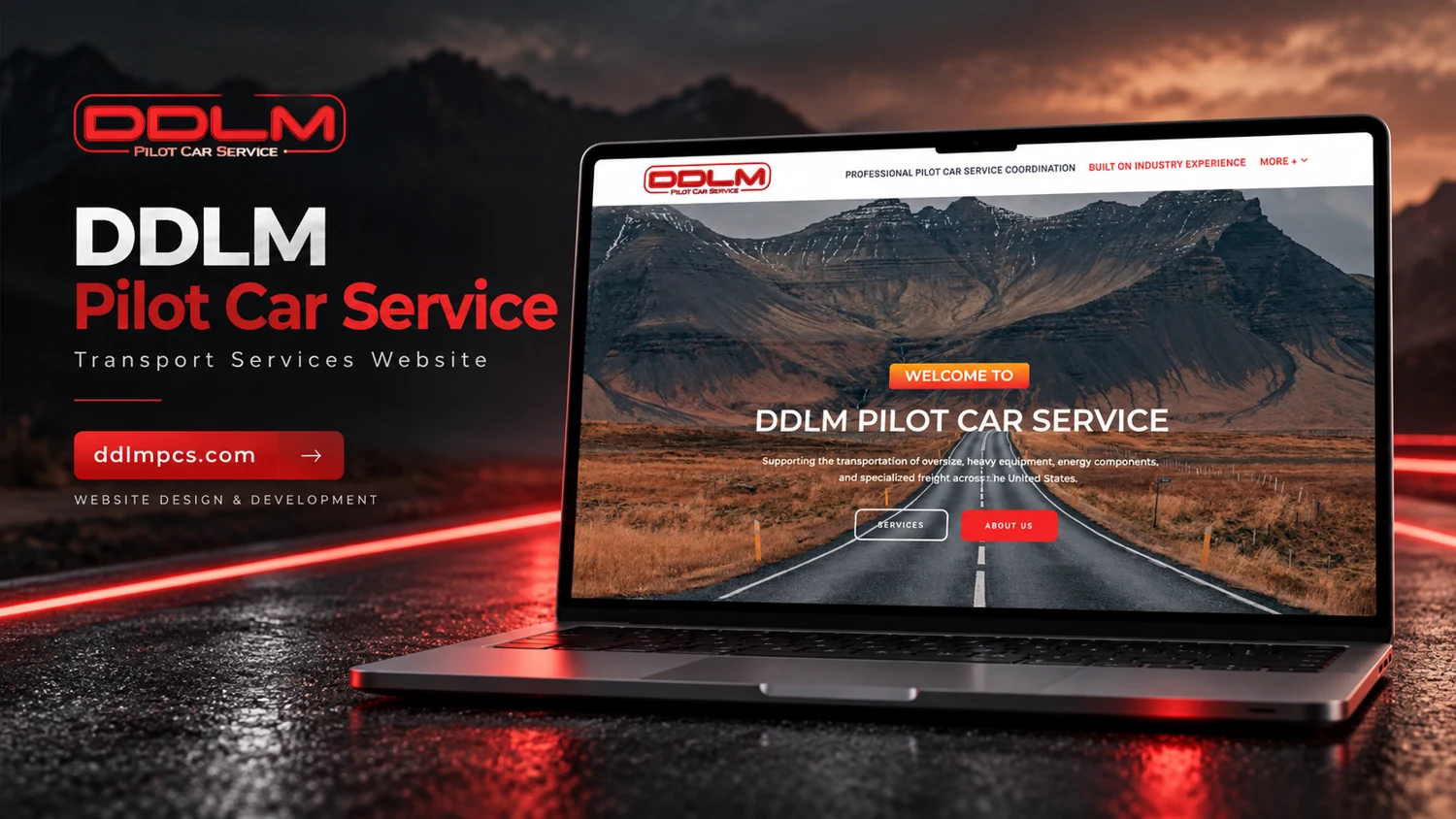
    The public homepage describes escort support for oversized freight across the United States. It identifies front, rear, high-pole, and steer escort roles, plus route-planning assistance. Separate sections explain the service, mission, and industries served. A pilot-request action follows the service introduction, and contact details appear in the footer.

    Visual direction

    The supplied reference uses red accents, a road scene, mountains, and vehicle imagery. The displayed page places a large business name over a transport photograph. This creates a direct industry association, while the site’s textual sections give context that the atmospheric hero cannot communicate on its own.

    Design rationale

    The enquiry journey could collect route, dimensions, timing, and required escort type using clear field labels. Service-area and coordination details should be kept current. This is a design rationale, not advice about transport compliance, and the review does not verify licensing, equipment, dispatch availability, or the successful completion of any freight movement.

    Analysis based on the captured public homepage and supplied reference; authorship and business results were not established.
  • Signature Wrap & Tint

    Signature Wrap & Tint

    Website analysis and design rationale

    An automotive customization site combines visual work samples with a direct quote-request journey.

    Audience and purpose

    Customers shopping for a wrap or tint treatment often judge a provider initially through examples. The gallery route therefore has a concrete role in the enquiry journey rather than acting only as decoration. Separating examples by treatment would help visitors describe what they want when they reach the quote form.

    Observed presentation

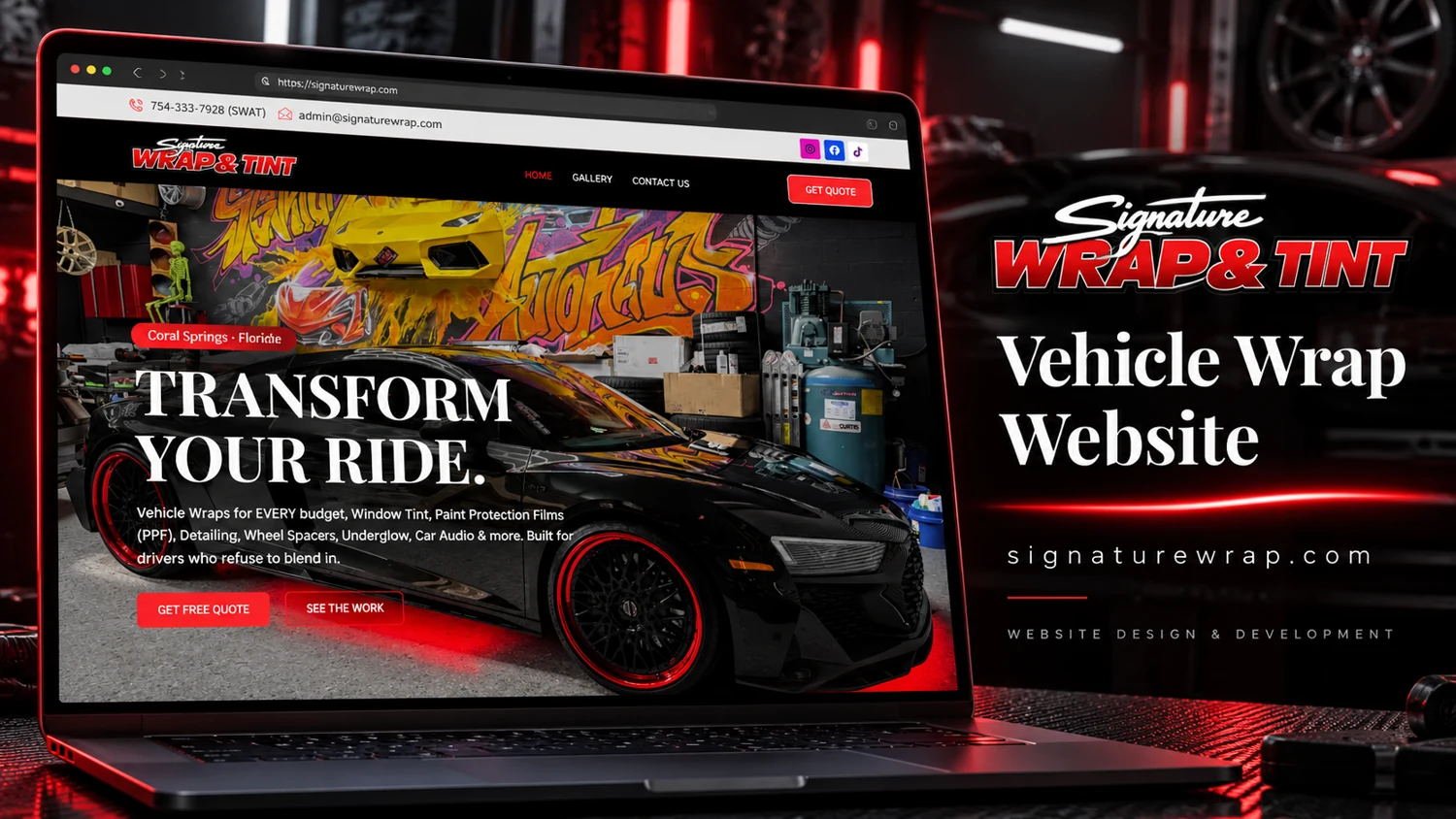
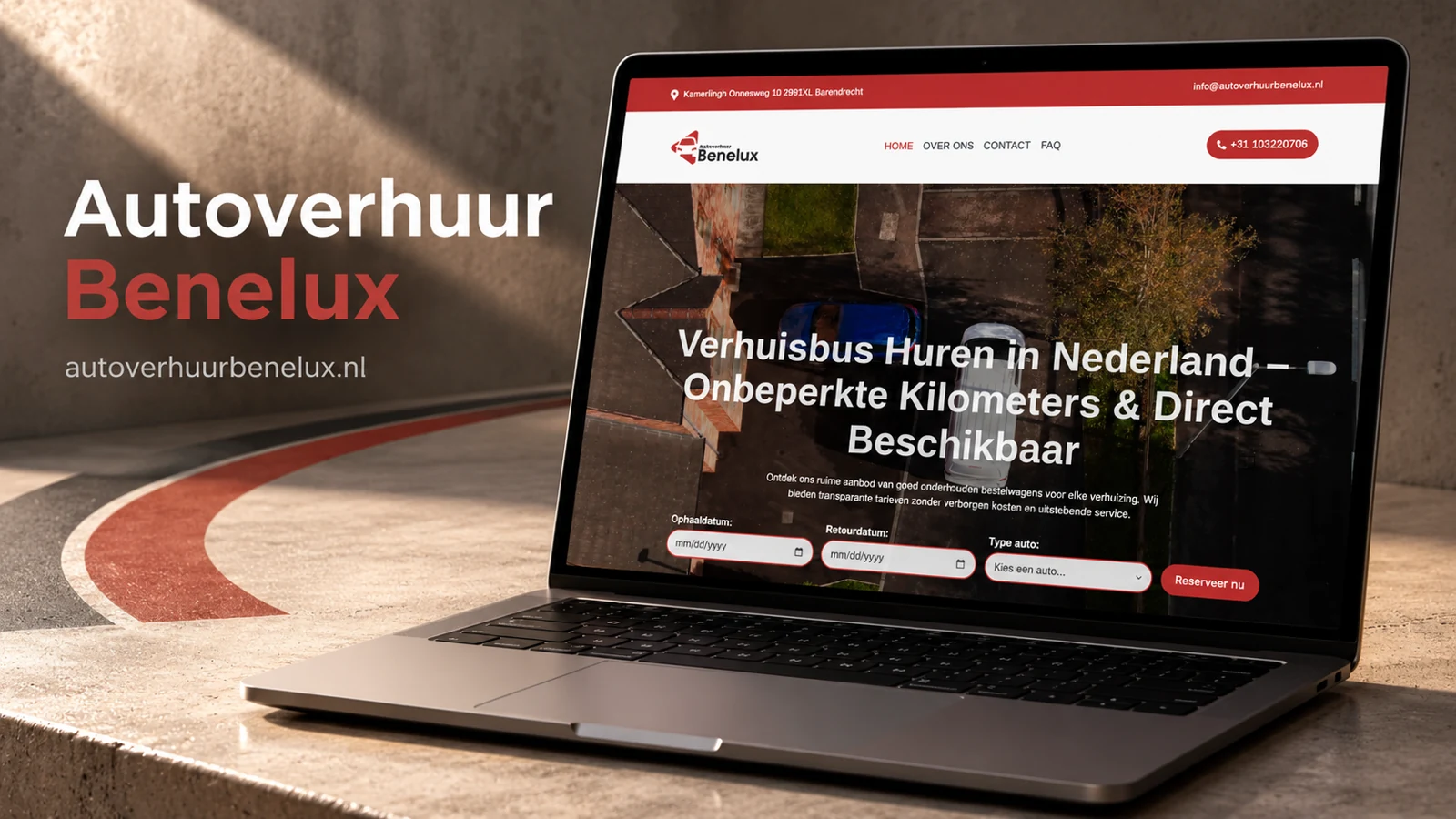
    The captured homepage identifies Coral Springs, Florida, and lists vehicle wraps, window tint, paint protection film, detailing, and other customization services. Navigation is concentrated around Home, Gallery, and Contact Us. Two prominent actions invite visitors to request a quote or view previous work. Social links and telephone contact are also present.

    Visual direction

    The supplied reference places the website in a dark automotive environment with red accents and brightly wrapped vehicles. The displayed headline is large and direct. This supports a portfolio-driven service presentation: a visitor can first respond to the visual treatment, then inspect examples or move toward an enquiry.

    Design rationale

    Gallery captions could identify the type of service shown without implying performance guarantees. A useful quote flow would collect vehicle details and the requested finish or treatment. The captured email label and mail destination differ, so contact accuracy deserves checking. No quote was sent and no service quality or customer results were independently established.

    Analysis based on the captured public homepage and supplied reference; authorship and business results were not established.
  • Autoverhuur Benelux

    Autoverhuur Benelux

    Website analysis

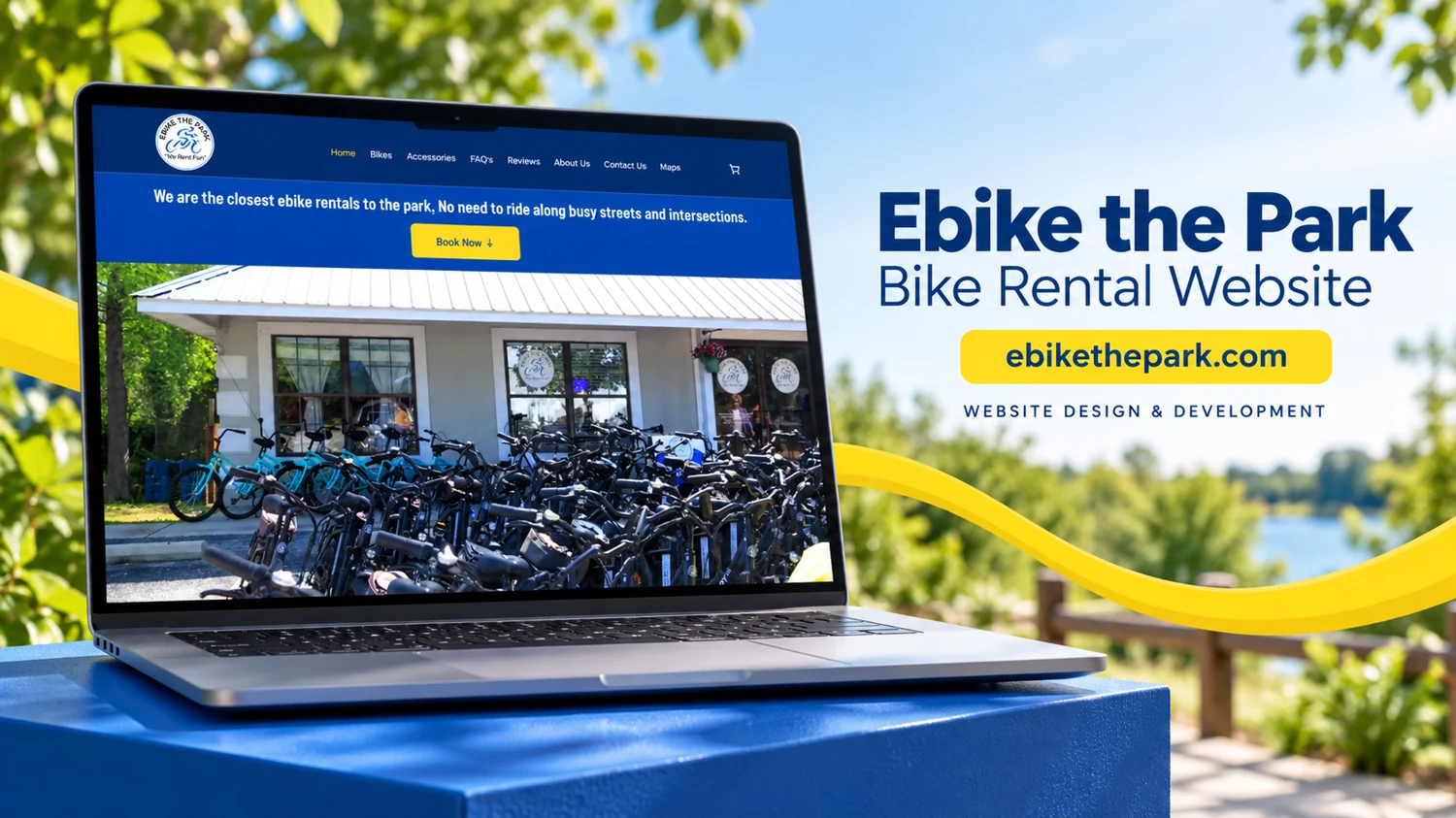
    The homepage presents moving-van rental in the Netherlands and identifies a Barendrecht contact address. Its reservation interface asks for pickup date, return date, and vehicle type. Choices include a box van with lift and Mercedes Vito and Sprinter configurations. FAQ and contact links support the booking route.

    Information and visitor journey

    The interface places availability inputs close to vehicle discovery. That is a useful sequence for a rental service: a visitor can define the trip window and then evaluate a suitable vehicle. Telephone contact remains available for questions before reservation.

    Design rationale

    Vehicle pages should make dimensions, payload, license requirements, deposit, insurance, and collection conditions easy to compare. Unlimited-mileage and pickup-service statements need to be read alongside the actual rental terms. No booking or payment flow was completed during this review.

    Presentation and audience

    The vehicle selector exposes useful distinctions between several van sizes and a lift-equipped box vehicle. Those differences correspond to practical moving needs, so the interface benefits from presenting them before the reservation is completed. Date inputs make the rental period explicit and keep the initial action focused. The Dutch-language copy and Barendrecht contact details also anchor the website in its intended customer context.

    A rental customer needs to compare capacity and conditions as well as appearance. The visible vehicle links provide a route toward that detail, while the FAQ can explain collection, deposits, and other repeat questions. A meaningful design rationale is the progression from dates to vehicle selection to terms: each stage should narrow uncertainty before asking for commitment. The page’s claims about flexible pickup and mileage should remain consistent with the final booking conditions.

    Website analysis based on the observed page or supplied reference; no client brief, authorship, or measured outcomes are asserted.

  • E-Bike The Park

    E-Bike The Park

    Website analysis and design rationale

    A bike-rental homepage places reservations, trail access, and visitor planning information at the center of its message.

    Audience and purpose

    A visitor planning a park outing is making several linked choices: when to ride, what equipment suits the group, and where to begin. The reservation action and location emphasis address those practical concerns. Equipment and FAQ pages can then answer the remaining questions without overloading the opening screen.

    Observed presentation

    The public page identifies a Gulf Shores, Alabama, location near Gulf State Park and repeats a booking action. It describes several bicycle and accessory types, local route guidance, and a self-guided tour offering. Footer navigation includes Bikes, Accessories, Reviews, FAQs, and Contact Us, while the page also mentions requirements for younger riders.

    Visual direction

    The supplied reference uses vivid blue and yellow, outdoor greenery, and a group of bicycles outside a storefront. The website screen pairs a blue introductory area with business photography. This supports a destination-service presentation in which location and the anticipated outdoor experience are key parts of the initial decision.

    Design rationale

    Visitors benefit from clear rental duration, equipment options, availability, and booking conditions. Location claims and rider requirements should remain easy to find near reservation information. Counters captured at zero should not be repeated as performance evidence. The analysis does not test reservations or independently validate ratings, awards, trail conditions, or equipment availability.

    Analysis based on the captured public homepage and supplied reference; authorship and business results were not established.
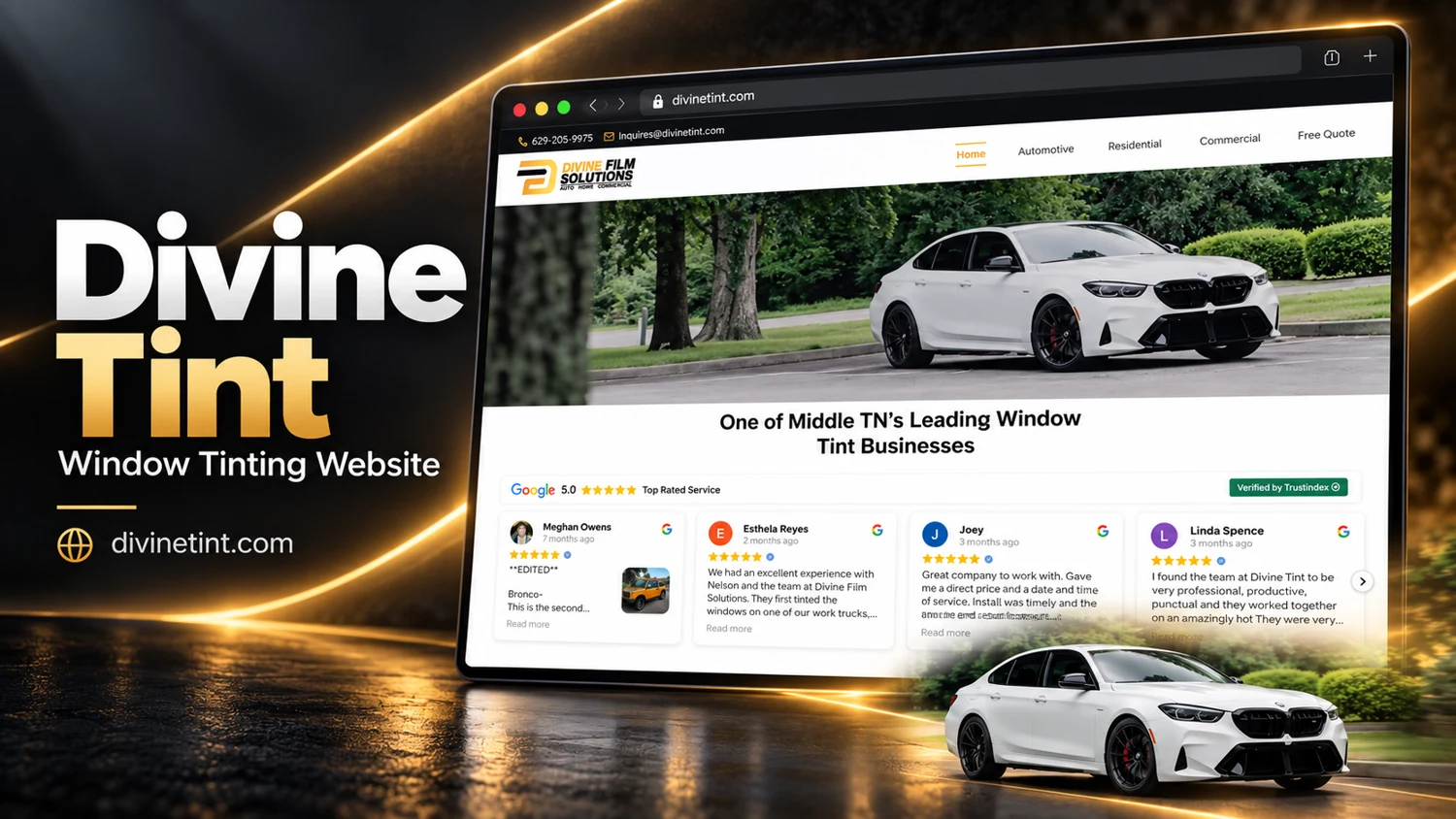
  • Divine Film Solutions

    Divine Film Solutions

    Website analysis

    The captured navigation divides automotive, residential, and commercial tinting and includes a Free Quote route. The page lists several Middle Tennessee communities and provides phone and email contact details. The supplied reference is consistent with a window-tinting business presentation.

    Information and visitor journey

    Audience-based service paths are useful because vehicles, homes, and business premises raise different questions. A quote action can then gather context specific to the selected setting. Service-area information helps visitors determine whether an inquiry is relevant.

    Design rationale

    Service pages should explain available film types and the factors used to prepare a quotation. Performance or warranty claims should identify their supporting product documentation. The design review does not verify heat-reduction figures, installation quality, or compliance with local vehicle-tint requirements.

    Presentation and audience

    The service split reflects three different decision contexts. A motorist may begin with appearance and comfort, a homeowner with privacy or glare, and a business with the needs of a particular building. Separate pages can explain those contexts without making the homepage carry every product detail. The Free Quote action then provides a common endpoint for the otherwise distinct paths.

    Geographic information appears in both the body and footer, helping users connect the service with their location. Phone and email alternatives are visible, so someone does not need to complete a form simply to ask about coverage. For a fuller project presentation, photographs should identify the setting and the relevant film application. That would allow visual examples to support the service structure while avoiding unsupported promises about a result that cannot be measured from an image.

    Website analysis based on the observed page or supplied reference; no client brief, authorship, or measured outcomes are asserted.