
Arts & Creative
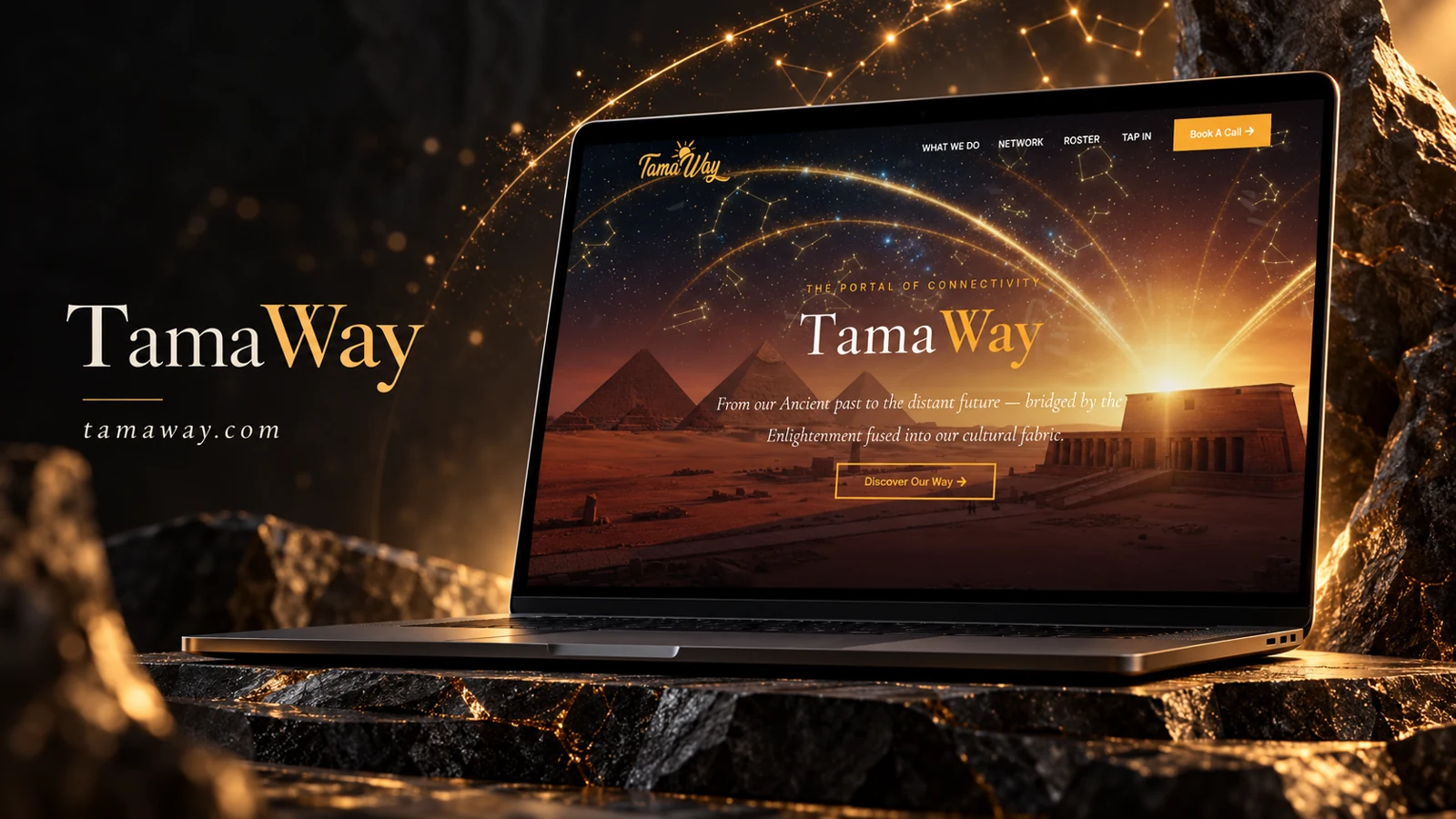
Tamaway
A community-centered campaign brand with network, roster, and contact pathways.
StudioSum introduces original fine art and custom commissions for collectors and interiors.
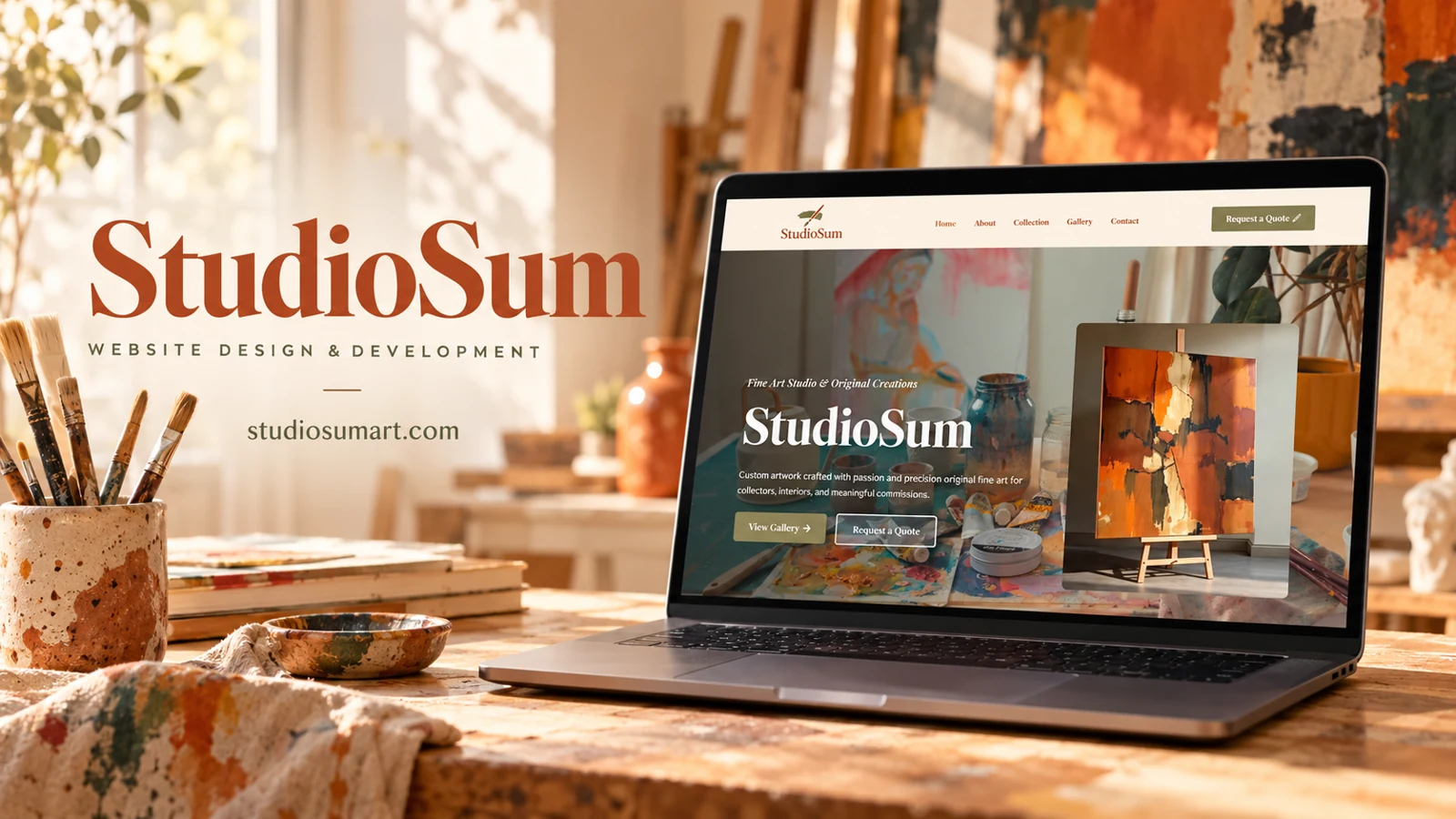
StudioSum introduces original fine art and custom commissions for collectors and interiors. A cream header uses warm lettering and an olive quote button, while the hero combines a studio-workspace photograph with a framed painting on an easel. Large serif typography gives the artist identity strong emphasis. Navigation separates About, Collection, Gallery, and Contact, and the hero offers gallery exploration or a quote request.
The composition establishes materiality through paint, tools, and artwork before asking for an inquiry. Collection and Gallery should have distinct meanings: one might organize available work while the other shows a wider body of practice, but those meanings need explicit labels rather than assumptions. The captured page supports discussion of its visual presentation and commission route without authenticating the authorship of every displayed image.
The workspace photograph introduces the physical act of making, while the foreground painting gives the hero a distinct focal object. Cream, olive, and warm brown tones support that material feeling. Large serif lettering gives the studio name presence without turning the first screen into a dense catalogue. The gallery route is prominent, which suits a visitor who needs to see a body of work before starting a conversation. Descriptive captions would make that gallery more informative if they accurately identify medium, size, availability, and the context of each piece.
Request a Quote is repeated in the header and hero, making a commercial next step available from the outset. For custom art, an inquiry can be more useful when it distinguishes an existing piece from a proposed commission. A future form might ask for the intended setting, approximate dimensions, and the nature of the request, but those fields are suggestions rather than observed implementation. Collection and Gallery should also be explained so visitors know whether they are browsing available work or an archive. This analysis does not authenticate the displayed works, establish sales, or claim authorship of the website. It describes the visual hierarchy and the relationship between art discovery and an inquiry.
The gallery’s image-led presentation would benefit from meaningful alternatives and captions, allowing the work to remain understandable when images cannot be seen or loaded.
A community-centered campaign brand with network, roster, and contact pathways.
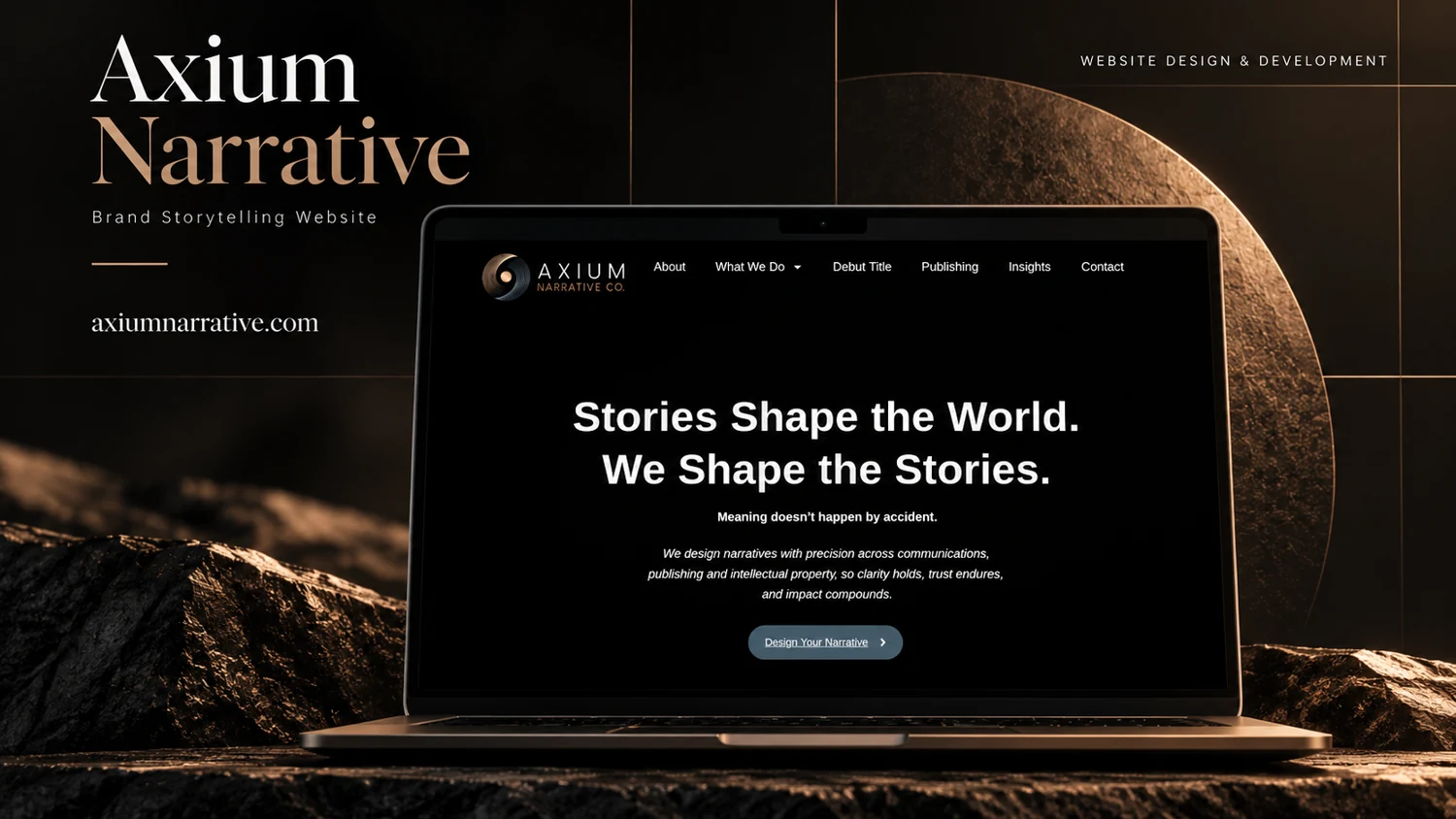
A narrative consultancy presentation connects communications, publishing, and intellectual property through a focused introductory page.

An art-gallery reference presents an editorial, exhibition-oriented homepage with a restrained navigation system.