

E-commerce & Retail
Level I Is Enough
Level I Is Enough presents a collection-led brand through prominent collection and shopping links.
A gaming-product storefront with category browsing, status information, and community support.
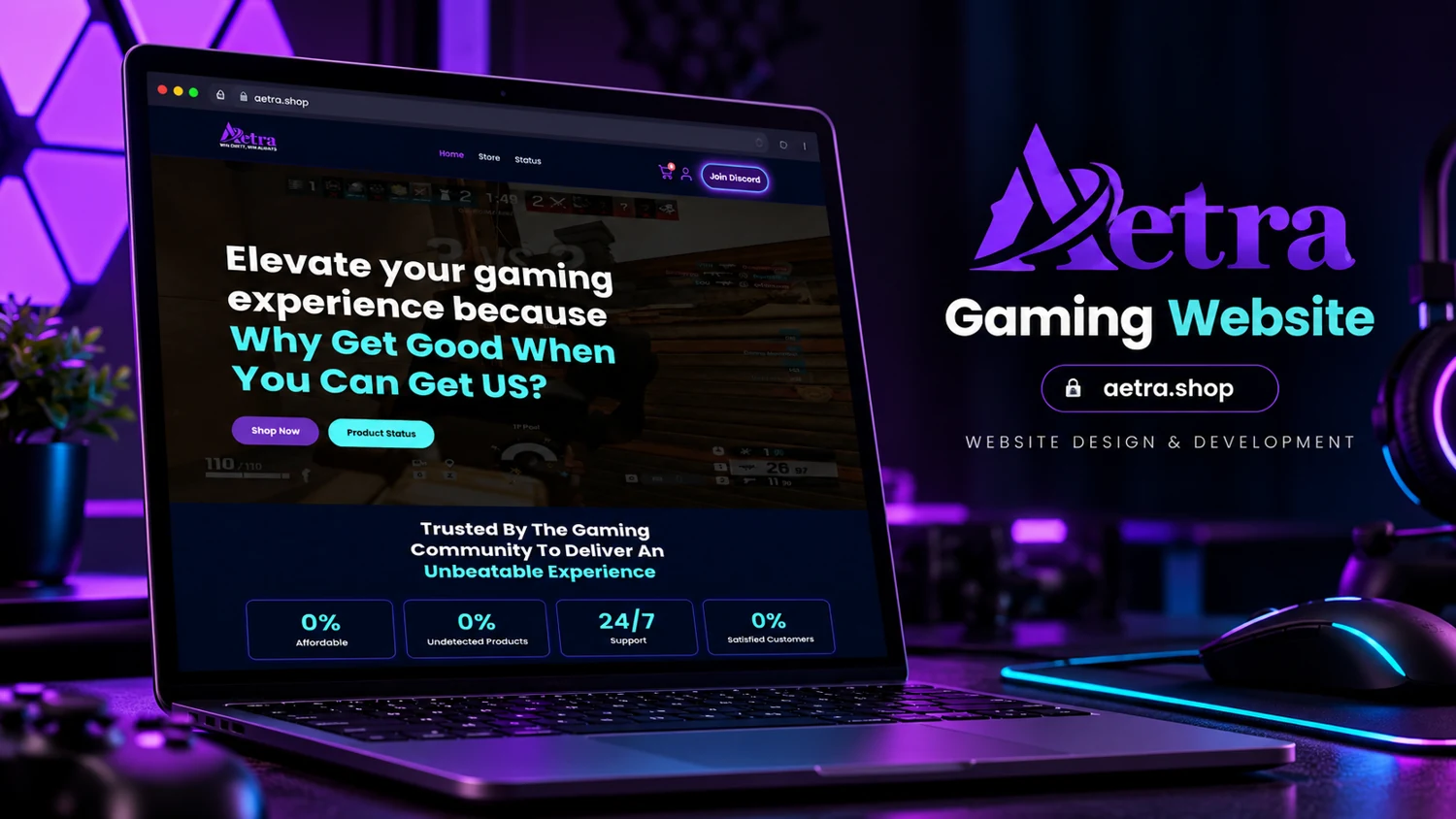
The captured storefront contains Store and Status navigation, a cart, sign-in, Discord links, featured game-related categories, and shop actions. The page explicitly markets cheats and includes a hardware-identifier spoofer category. These observations describe its content and are not endorsements of the products.
The unusual element in the shopping journey is a separate product-status route. Availability and support information are presented alongside category discovery. Community links serve as a support destination, while the cart and account entry indicate a transactional interface.
A responsible interface review should distinguish visual presentation from verification of product claims. The captured counters show zero for several statistics, and policy links point to the homepage. Those details deserve correction before relying on them as trust signals; no checkout or software functionality was tested.
The storefront combines conventional ecommerce elements with a community-oriented support channel. Product categories, account entry, and cart access suggest browsing and purchase, while Discord and status information address the period before and after a transaction. Those different destinations should be easy to distinguish so a visitor knows whether a link opens the catalogue, support community, or an operational-status page.
The capture includes marketing assertions about detection and customer satisfaction. A visual case study should describe their placement as marketing content, not reproduce them as verified facts. Product status can change, and counters that remain at zero can undermine the intended credibility of a statistics section. The practical design focus is therefore clarity of labels, policy destinations, and support expectations. This review makes no claim about the operation, safety, or effectiveness of any software sold through the site.
Website analysis based on the observed page or supplied reference; no client brief, authorship, or measured outcomes are asserted.
Level I Is Enough presents a collection-led brand through prominent collection and shopping links.
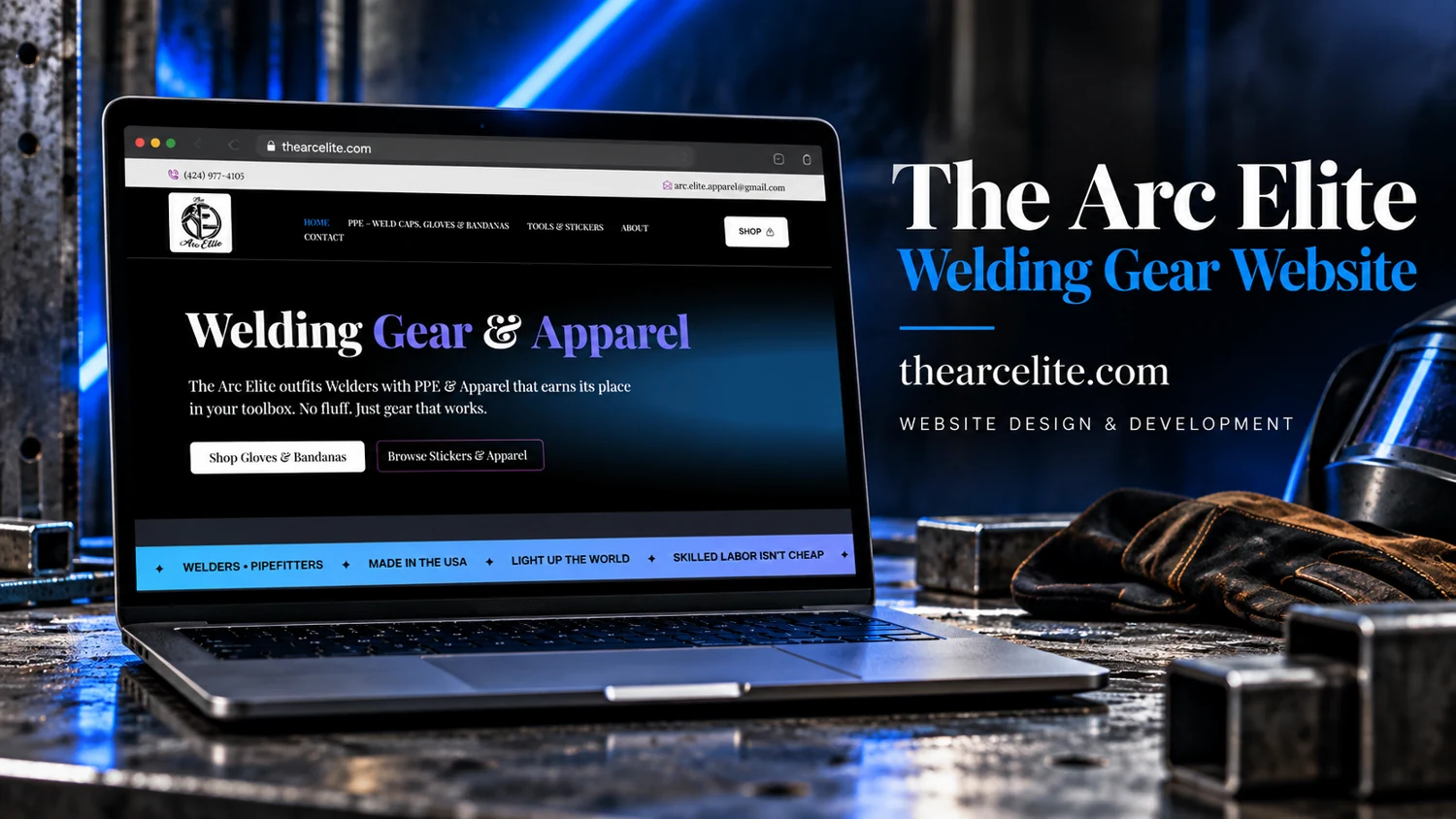
A supplied welding-gear reference combines a dark industrial presentation with a shopping-oriented page structure.